


Editorial by Jessica Cecil
Last week, new RAND Europe research revealed that eight out of 10 adults (82%) living in Great Britain believe government isn’t doing enough to prepare for security threats.
On Monday, a House of Lords National Resilience Committee’s report called on government to “stop being squeamish”, warning that “reluctance to discuss serious threats… creates opportunities for misinformation and disinformation to spread”.
The committee’s report recommends that businesses be pulled in from “the fringes” of resilience planning into the heart of it. The same goes for citizens.
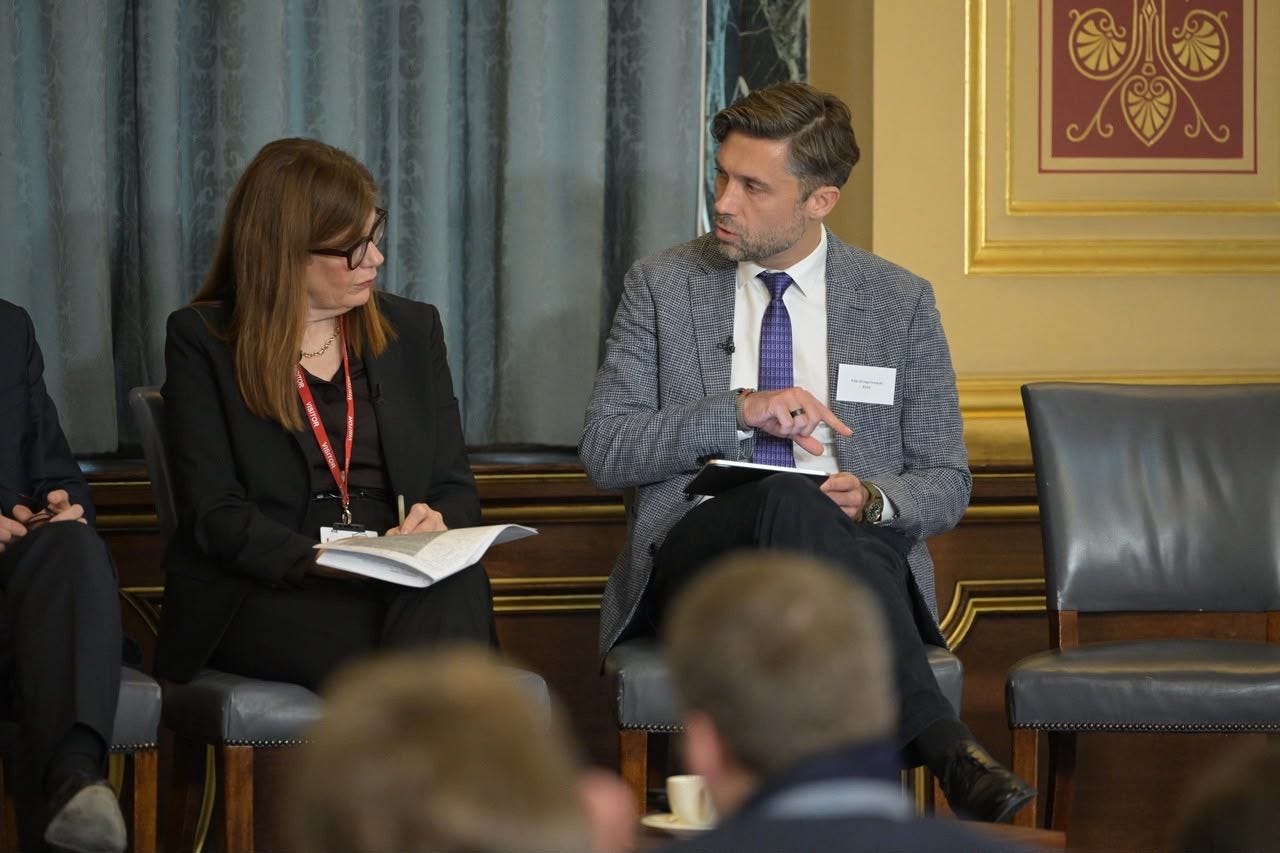
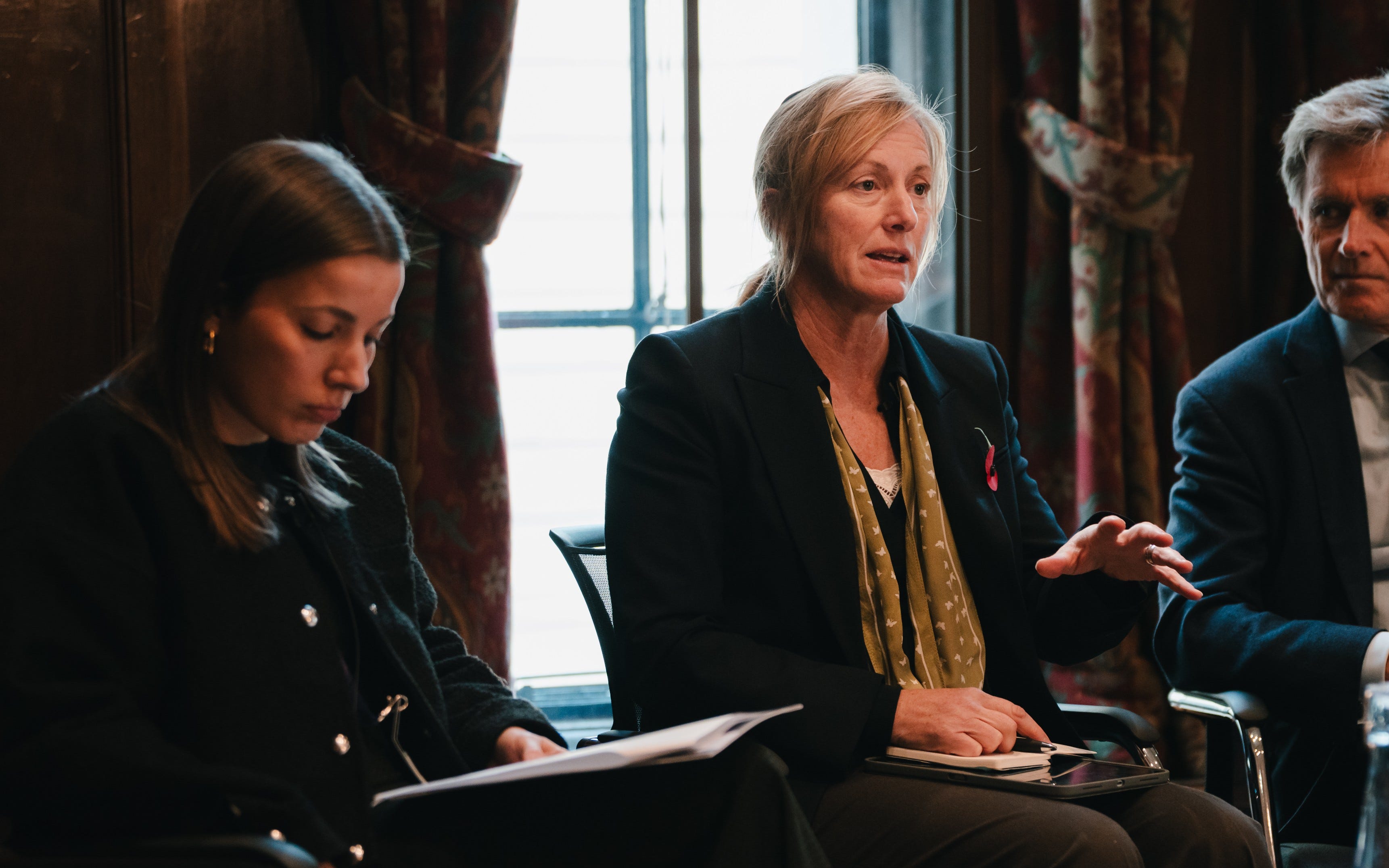
During these past two weeks, I chaired two fascinating events: the EU-UK London FIMI (Foreign Information Manipulation and Interference) Forum, and a panel at RAND Europe’s Ready for 2030 discussion. I also interviewed Ruth Harris, the National Security lead at RAND Europe, and cognitive defence expert Valeria Kovtun, who built a successful media literacy campaign in Ukraine (see articles below).
Across the reports, debates and conversations, I see four areas where the response to disinformation is moving:
Bring business in. What should companies be doing to prepare for disinformation attacks? Conversations are increasingly turning to whether there should be regulation to compel businesses to have resilience plans or offer employee education, like PwC has done (see Solutions section)?
Work with trusted media. Government needs to share more with news outlets, including those whose coverage or politics it finds uncomfortable, to reach different communities.
Use the opening with platforms. There’s growing concern about disinformation from frontier AI labs themselves. With the US administration reluctant to regulate in this space, there’s an opportunity for the UK and Europe to act.
Define the threat and lead. Government must be more specific with its threat assessment, bring public and private organisations together, and build relationships before a crisis hits.
In the interviews below, Harris explores how Britain can turn “active worry” into everyday habits, with government leading and trusted local voices carrying the message. Kovtun brings Ukraine’s experience of putting that approach into practice, from speaking to businesses in their own language to reaching people through local broadcasters and influencers.
The public expects more, and the organisations that can help are ready to talk. The ball is now in government’s court to turn those conversations into a shared plan of action.
‘Actively worried’: how Britain can turn alarm into resilience
“Bear with me, okay,” says Ruth Harris, as she takes us back to the ice bucket challenge, which went viral back in the summer of 2014.
Smiling, she admits people pouring ice-cold water over themselves for a good cause is a “bizarre” place for her mind to go when discussing Britain building national resilience against disinformation campaigns by Russia or Iran.
But Harris, Executive Director of National Security and Data Science at RAND Europe, is making a serious point: the UK government needs to run resilience campaigns people can engage with. And they shouldn’t be scared of a little British humour.
“We’re not being clear enough with the public about what the actual threat is… I believe that some level of alarm is important,” says Harris. “When you’re alarmed, you look for leadership. And that’s what the government must provide.”
Make it a habit
Harris believes the right approach is to teach people good habits (pause, verify original sources, corroborate independently) that protect them from foreign influence campaigns.
To do that effectively, she says, means understanding who you’re trying to reach, framing the message in a way that resonates, and working with local organisations.
“It should absolutely be government led, but pushed down to trusted, relevant messengers,” she explains.
Which messengers? Teachers, local journalists, parish or city councils, and influencers. These messengers must understand the threat before they can help others respond.
Harris says the idea, ultimately, is to get a local hairdresser or supermarket owner to share their resilience efforts with their communities, encouraging others to follow. That’s the ice bucket model. Every person who dunked themselves in ice water nominated someone else to take the challenge.
Eventually, the campaign just about “runs itself”, says Harris, as people get creative.
“In the UK, we have this amazing, ridiculous sense of humour. And when it comes to things like this and galvanising behind it, it grows its own head of steam.”
Is Russia winning?
The threats Harris wants people to prepare for are serious, and already here. Iran’s operations, she says, tend to be aimed at silencing critics and journalists overseas, protecting the regime and intimidating adversaries. Russia combines sabotage, cyberattacks and influence campaigns to weaken support for Ukraine, disrupt assistance and erode trust in democratic institutions.
According to Harris, Russia experiments, testing what works and watching how countries react. Physical attacks, cyber incidents and information operations can happen together, creating uncertainty.
Is Russia winning in turning European opinion against support for Ukraine?
“It’s not a view I would agree with,” she pushes back. “It’s a view that Russia wants everyone to agree with.”
Influence campaigns often target people who already have doubts, Harris explains, reinforcing concerns about the cost of supporting Ukraine when public services at home are under strain. That can make opposition look louder. But polling gives a different picture. Harris says RAND’s research finds support for Ukraine across Britain and Europe remains strong.
For her, the task is to turn that continued support into practical preparedness, with government giving a clear lead and communities finding their own ways to respond.
Lessons from Ukraine: ego doesn’t survive a crisis
Less ego, more talking, and a better grasp of what makes businesses invest in resilience.
For cognitive defence expert Valeria Kovtun, these are some of the lessons Ukraine can teach the UK and Europe about fighting disinformation.
“One thing that cannot survive a crisis is ego,” she told Athena this week. “Once ego is out, you start being much more efficient.”
Kovtun, founder of Resilience Lab, led Ukraine’s first governmental media literacy institution, Filter, which reached millions of Ukrainians being bombarded with Russian disinformation.
Kovtun doesn’t try to untangle Russia’s influence campaigns from its missiles or drones – no military operation can unfold, she says, without a solid understanding of the cognitive layer, and how psychological vulnerabilities can be exploited.
Divide and conquer
Cognitive attacks don’t need to be sophisticated, she adds. In Ukraine, blatant disinformation was spread on television channels, some of which were eventually banned in the lead-up to the 2022 invasion.
Once the full-scale attack began, Kovtun explains, at least five Telegram channels posing as local sources began telling people their towns and cities were already under Russian occupation. The aim, she says, was to make resistance feel pointless.
“If you already know that you are under occupation, there’s no reason to fight.”
There were also the red crosses - another example of blunt tools created to manipulate. Photos of these red markings on streets spread on social media, along with false claims that crosses showed where Russia would strike next. Some Ukrainians began to suspect their own neighbours of marking targets for the enemy. Kovtun says people “started looking for enemies within instead of focusing on the external threat”.

Critical moments
Moments of disruption and confusion give adversaries an opportunity to inject information and warp perceptions, Kovtun explains. These “critical moments” create fertile ground to turn fear and uncertainty into action.
“How can you nudge people so they are ready to act when the adversary wants them to act?” Kovtun asks.
Preparing for these moments starts long before a crisis, Kovtun argues. She draws four lessons from Ukraine for how government, businesses and civil society can work together:
Build and bank trust. When disruption comes, even a well-rehearsed plan will change. At that point, strong relationships will “help you survive and sustain your operations”.
Speak the language of business. Find out what would make companies invest in resilience and strengthen the relationship between government and the private sector.
Get the people responsible talking. In the UK, responsibility for resilience is spread across several bodies. Kovtun says the quality of the personal relationships matters when decisions must be made quickly.
Bring more people in and set clear goals. Include businesses and organisations that can help. Agree what you want to achieve, who will lead and what each organisation will do.
“This is not a one-off conversation,” Kovtun says. “It’s a process.”
Make media literacy relevant
To improve media literacy in Ukraine, Kovtun’s team mapped out years of work already done by grassroots groups, civil society and international partners. Some of the best material, they discovered, sat on websites that few people visited.
The team used focus groups to learn how people talked about key national issues at home. They built a brand people would recognise. And they made it easy for someone to learn something by following just one step.
To promote Ukraine’s national media literacy test, the team enlisted broadcasters and influencers whose audiences came to them for everything from art to beauty.
“It takes a lot of coordination and a lot of willingness to be a co-creator rather than lead it all and own it,” Kovtun says.
She’d give Britain’s new National Centre for Information Defence a clear mandate to coordinate the national response, and a public awareness role similar to that of Sweden’s Psychological Defence Agency.
Stronger together
Kovtun admits that countries like Russia are incredibly skilled at information warfare, while democratic nations are not only vulnerable but are lagging “behind” in their defences.
But in those early weeks of the invasion, Kovtun says she witnessed “truly extraordinary defiance”. Reports reached her of people walking out into streets to stop Russian tanks from passing through their towns. Those stories helped sustain a belief that “collective action could change the course of events”, she says.
Kovtun believes there’s a lot more we can learn from what held Ukrainians together in those first weeks of the invasion.
“Hopefully we will study it eventually.”
What lessons can Kovtun share about running national media literacy campaigns that educate millions? Take a listen:

News: what changed this week
Debate over Britain’s new information defence centre gathers pace. The Lords’ punchy Building a Culture of Resilience report says the National Centre for Information Defence should be operationally independent. At a separate parliamentary event, officials, researchers, businesses and civil society discussed how it should work. Writing afterwards, Thomas Barton, founder of the Council for Countering Online Disinformation, argues the centre should disrupt the infrastructure behind hostile foreign campaigns and be accountable to Parliament and the public.
Read the Lords report · Read Barton’s reflections
Stolen faces, synthetic voices: deepfake network reaches 22 million views. Researchers at Canada’s McGill University uncovered nearly 300 TikTok and Instagram accounts using AI to make real influencers appear to deliver fabricated political messages. More than 3,200 videos, many about the US–Canada trade war, were published. Worryingly, TikTok’s AI labels flagged just 4% of the videos using manipulated footage of real people.
EU targets machinery behind Russian disinformation. The European Union has sanctioned 30 individuals and two entities linked to Russian information manipulation and cyberattacks. Among them are 24 people involved in operations run by Moscow’s Social Design Agency, which the EU says has targeted European elections and support for Ukraine. It’s a move beyond exposing disinformation towards punishing those who organise it.
Solutions
Resilience Lab, founded by Valeria Kovtun, helps governments and organisations prepare people to recognise and resist hostile influence. It draws on her experience building Ukraine’s information defences, with a focus on understanding audiences and strengthening partnerships.
PwC US is introducing a critical thinking and judgement certificate programme for more than 85,000 partners and employees. Bloomberg Law reports the firm expects to spend up to $100 million on the programme. Kovtun says this initiative is an example of businesses helping staff evaluate information, question assumptions and make better decisions as AI takes on more of their work. Read Bloomberg Law’s report
RAND Europe is a nonprofit research institute that uses evidence to inform policy. Its work includes public polling and scenario exercises that test how resilience plans hold up in a crisis. For information defenders, that research can help identify gaps in preparedness. (Jessica Cecil is a member of RAND Europe’s Impact and Innovation Board.)
BBC Verify brings together specialist journalists who check claims, verify images and video, analyse data, and investigate disinformation. Harris recommends it for helping people understand where information comes from and how it’s been verified.