


Three experts, three different approaches, one mission: get ahead of disinformation.
This week, Athena gathered a panel of information defenders whose diverse experiences – probabilistic forecasting, journalism, disinformation detection – can help us find specific solutions to meet what GCHQ boss, Anne Keast-Butler, calls a “moment of consequence”.
The approaches include accurate prediction, more transparency, and using the latest tools to disrupt attacks and inoculate the public against foreign interference.
Following similar events in Poland and Denmark, Athena’s Jessica Cecil led the discussion, which took place at Resilience Conference in London. The event gathered the defence community from across the UK, Europe, and NATO countries.
Predict, to prepare
Dr Keith Dear, one of the founders of forecasting company Cassi, warned that the UK’s defence has a “huge blind spot” in its use of data to make predictions. Besides helping decision-makers better understand where to invest and act, he said, sharper forecasting can also inform public opinion. Dear argued that unmasking those behind disinformation attacks, and making their motives clear, empowers people to reach their own conclusions.
“We still rely far too much on narrative,” Dear, a former RAF intelligence officer and advisor to the Prime Minister, explained. “There are no numbers in it. That’s the blind spot we’re trying to fix.”
Dear believes any nation that wants to protect itself and stay at the forefront of the information war must factor global AI development into its forecasts. If current trends continue, he says, we’re heading towards a situation where new models will arrive daily, capable of processing longer tasks more accurately. These models could be used to produce more detailed, accurate intelligence. Falling behind will be like “chasing after a runner who started before you, who gets faster every single day.”
Dear’s approach to prediction relies on fundamental infrastructure. He called for investment in energy and computing capacity, saying both are essential to processing information and generating critical defence intelligence.
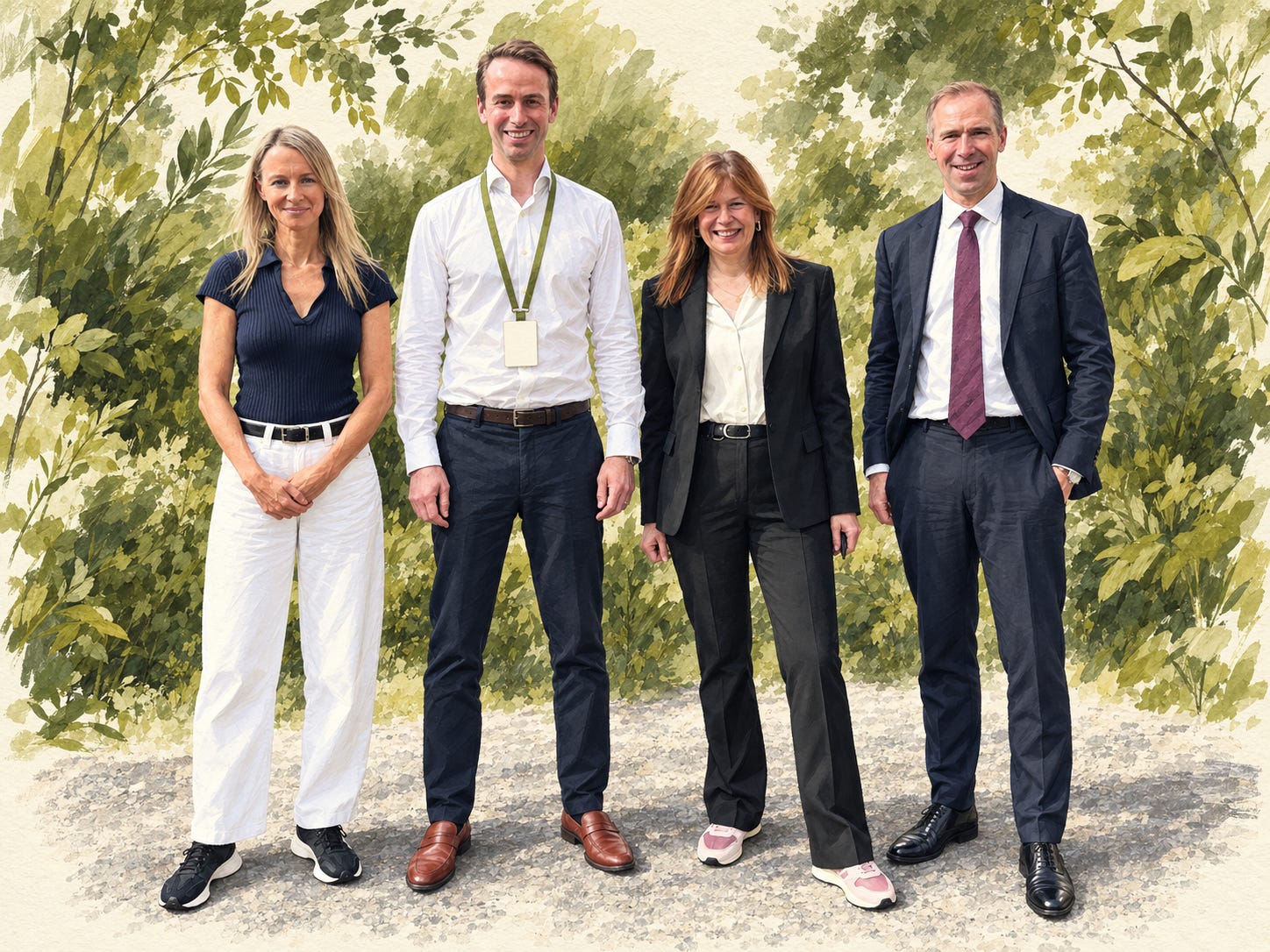
Deborah Haynes, Tom Garnett, Jessica Cecil, and Keith Dear. This picture is adapted from a photograph at Resilience Conference, which, for security reasons, has strict photography rules.
Get ahead of the narrative
Deborah Haynes, Defence and Security Editor at Sky News, warned of a “gap in our armoury” in identifying foreign information operations, adding that the UK’s ability to deter threats is “not as good as it should be”.
Sharing stories from assignments around the world, from Ukraine to Israel, the journalist behind the acclaimed The Wargame podcast and television series spoke about the amplifying effect of technology on weaponised information.
Haynes said the UK’s new centre being set up to fight disinformation, announced by the Prime Minister last month, is far from a new idea and will need resources, the right people, and permission from top leadership to take risks and play an active role in disrupting attacks.
Haynes called on government to get credible information out faster, getting ahead of hostile narratives. She gave the example of Britain working with the US in early 2022 to declassify and release intelligence about Russia’s looming invasion of Ukraine, which helped expose what was coming and made the Kremlin’s denials more difficult to sustain. Given the power and speed of AI tools, she argued, it’s time for more transparency.
Back home, Haynes said she’d like to see officials and politicians (including local MPs) speak more openly about threats.
“The government needs to get more confidence to be able to speak about the unspeakable, like the w-word: war,” Haynes said.
From detection to disruption
Tom Garnett, CEO and co-founder of Refute, a tech startup that helps clients fight disinformation, says the recent elections in Latvia revealed a “mix of tools and techniques” being used by those trying to subvert democracy.
According to Garnett, while there’s still reliance on old school tricks and human influencers, AI is helping threat actors automate the production of content, which is then translated and adjusted as it spreads.
He said governments and businesses need to work together to disrupt these information attacks.
“There are really big plays, particularly in moving away from the traditional ‘let’s just monitor and understand the threat’… into the disruption space.”
Disruption, Garnett explained, means offering strategic counter narratives and better understanding the audience (and where they are most susceptible).
“The Holy Grail is to move right ahead of time, before the campaigns even take place, so you can inoculate the whole audience,” he added.
Whether it’s “waking the world up” to the threats, calibrating through data-driven prediction, or crafting counter narratives, Athena’s three panellists offered different approaches to the same goal: prepare for the threats in a fast-moving, AI-charged information battle.
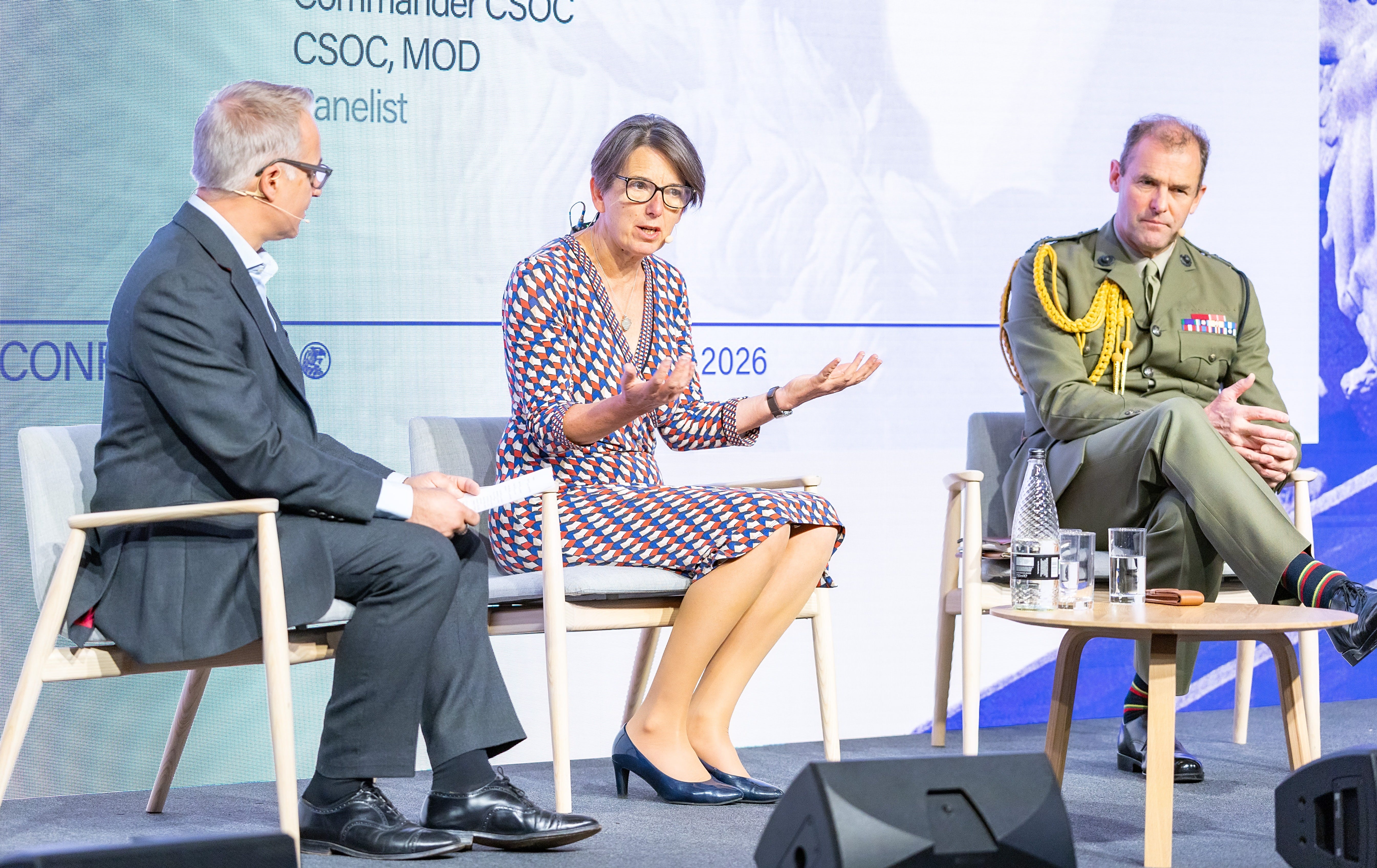
Photo: GCHQ Director, Anne Keast-Butler, in conversation at Resilience Conference in London this week.
Key takeaways:
Keith Dear: Sharper forecasting can help the UK government keep pace in the AI race and understand how to make decisions based on data.
Deborah Haynes: Government needs the confidence to get credible information out faster, before hostile narratives take hold.
Tom Garnett: The opportunity for startups is to move beyond spotting disinformation and help customers disrupt campaigns, or prepare audiences before threat actors strike.
Video: UK is being tested “minute by minute”
Athena’s Jessica Cecil spent two days at this week’s Resilience Conference in London.
In this short video, she shares what struck her most about the presentations and conversations, and what it all means for those fighting disinformation.
If you’re just joining us…
Athena is a new publication that helps you know where the information war is heading. We map out the disinformation terrain, and offer insight into emerging defence solutions and innovation opportunities.
You can read more about our mission here.
Please subscribe, and share this post with your network.
News: What changed this week
Osavul raises $10 million to bring information war defences to businesses. The company says its Series A round will help expand its work into organisations and critical infrastructure operators. Osavul’s AI-driven platform connects information threats with cyber and physical risks. UK Prime Minister, Andy Burnham, is holding security talks about hybrid warfare with Germany, and has said, “attacks on our infrastructure, our businesses and our democracies are not a distant threat.”
ChatGPT’s words are getting invisible watermarks. OpenAI says it will begin rolling out watermarks to ChatGPT text in the EU over coming weeks to comply with regional law. It’s a step towards the provenance defences Professor Ciaran Martin discussed with Athena last week.
But watermarks only work if there are tools to find them. Which isn’t always the case…
AI images carry clues that most chatbots aren’t checking. In Brennan Center tests of six leading chatbots, only one checked the origin data embedded in AI-generated election images. Others repeatedly mistook synthetic images for real photographs. Ahead of the US midterms, it exposes a gap in our defences: labelling content helps only if the tools people use to verify it read those labels.
Read the Brennan Center analysis
UK sanctions target Kremlin disinformation. Britain has announced 31 new sanctions against Russia, including seven individuals the government says are involved in spreading pro-Kremlin disinformation. The package brings information operations into the same response as Russia’s war revenues and abuses in occupied Ukraine.
Read the Foreign Office announcement
Solutions: the money is there, and it’s starting to flow to disinformation innovation
Defence startups across Europe have already raised more than $7 billion in venture capital this year. That’s according to a new report released this week by dealroom.co and Resilience Media, which calls 2026 “the most active year ever”.
Zoom out to NATO countries and investment sits at nearly $30 billion, with projected year-on-year growth of 165%.
Researchers Orla Browne and Erwan Cozanet were at Resilience Conference to present the report’s findings. They spoke to Athena on the sidelines, describing a funding landscape dominated by drones and autonomous systems, with startups tackling disinformation struggling to attract attention.
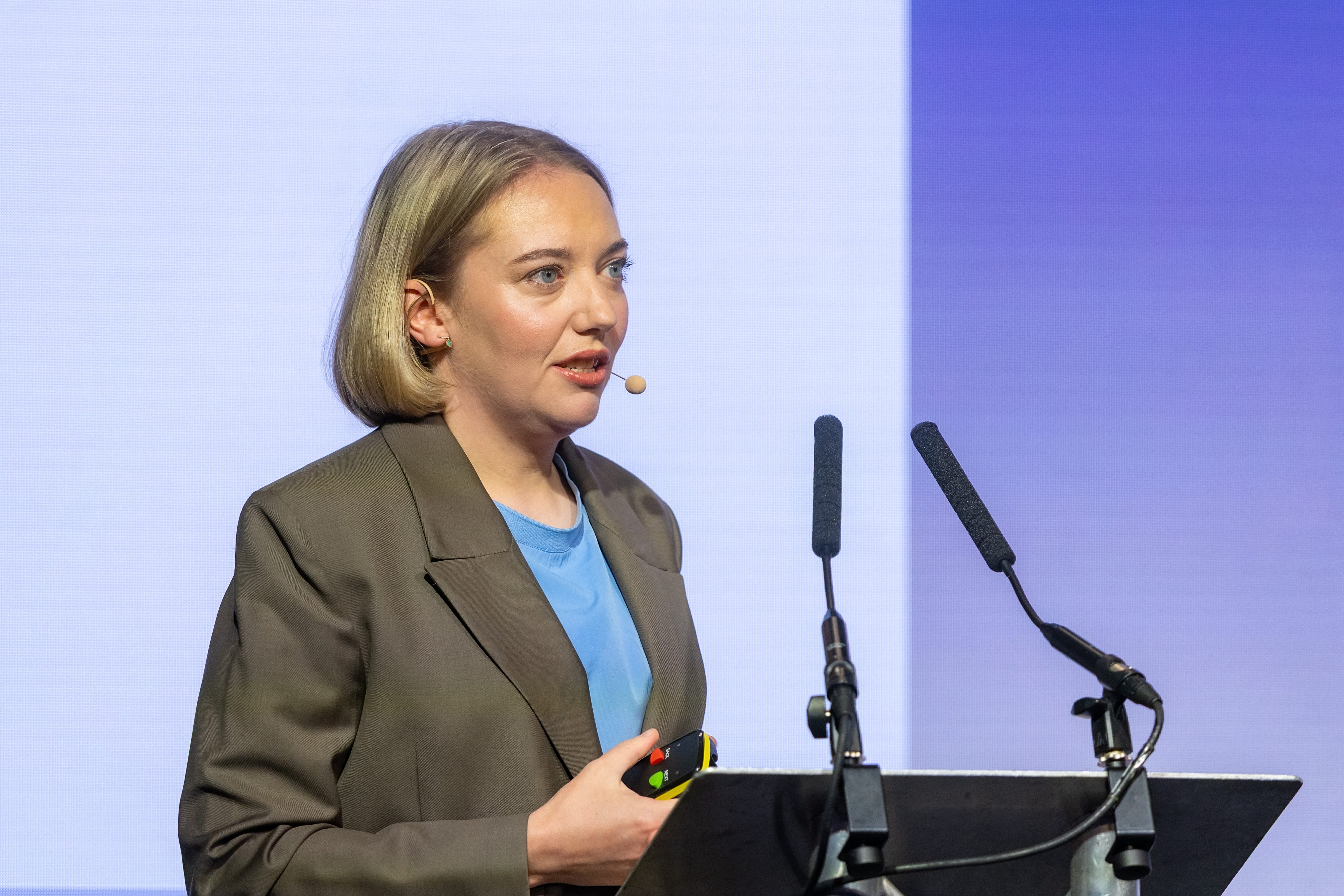
Photo: Orla Browne, Head of Insights at dealroom.co, presents the State of Defence Tech 2026 report
There’s a clear opportunity here for collaboration to turn growing concern about hybrid warfare into innovative defence tools against disinformation. Last week, Modulate, a tech company specialising in audio AI, announced that it raised $25 million to continue developing models used in fraud and deepfake detection.
Read Resilience Media’s analysis of the report here. Or download it here.
Companies and organisations leading the way:
Osavul: As reported above, this hybrid risk intelligence company just raised $10 million in funding. Osavul (which took part in our event in Warsaw earlier this year) provides an “end-to-end platform to detect, investigate and disrupt hybrid risks, combining AI technology with human expertise”. With ambitious growth plans, this is a company to watch.
Cassi: Founder Dr Keith Dear sees Cassi as a “truth engine”, a modern AI forecasting company named after an ancient prophet from Greek mythology (Cassandra). Cassi calls itself a “superstrategy company”, offering frontier AI forecasting to help organisations make important decisions. Cassandra’s warnings to Troy may have been ignored, but this week’s conversation at Resilience Conference shows Cassi is under no such curse, and is a voice worth listening to.
Refute: This UK startup detects disinformation campaigns and helps organisations respond. Its focus is on how attackers behave and coordinate, helping businesses defend against reputational and financial harm. Look out for more on this company in our newsletter next week.
European Centre for Democratic Resilience: Europe is connecting its defenders of information integrity. The centre has launched a pilot platform linking governments with research and fact-checking networks. The plan? To share warnings about emerging threats and develop joint projects. A call for more participants is due this autumn.